

Master Your Blood Sugar Through Smart Carb Choices
Understanding how carbohydrates affect your blood glucose levels is the foundation of sustained energy and long-term health. Our comprehensive editorial platform provides evidence-based information to help you make informed decisions about your nutritional choices.
The information on this site is for educational purposes only and does not constitute medical advice. Always consult a qualified healthcare professional before making health decisions.
Key Blood Sugar Insights
Evidence-based facts about carbohydrates and glucose management to guide your daily decisions.
Primary Macronutrients
Carbs, proteins, and fats work together to regulate energy and blood glucose levels throughout the day.
Daily Carbohydrate Intake
Recommended carbohydrate proportion of total daily calories for optimal metabolic function.
Carb Counting Unit
One serving of carbohydrates, useful for monitoring intake and understanding portion sizes.
Blood Sugar Response Time
Typical timeframe for carbohydrates to affect blood glucose levels after consumption.
Understanding the Glycemic Impact
Different carbohydrates affect your body in different ways. Learn how to identify and choose options that support stable blood sugar.
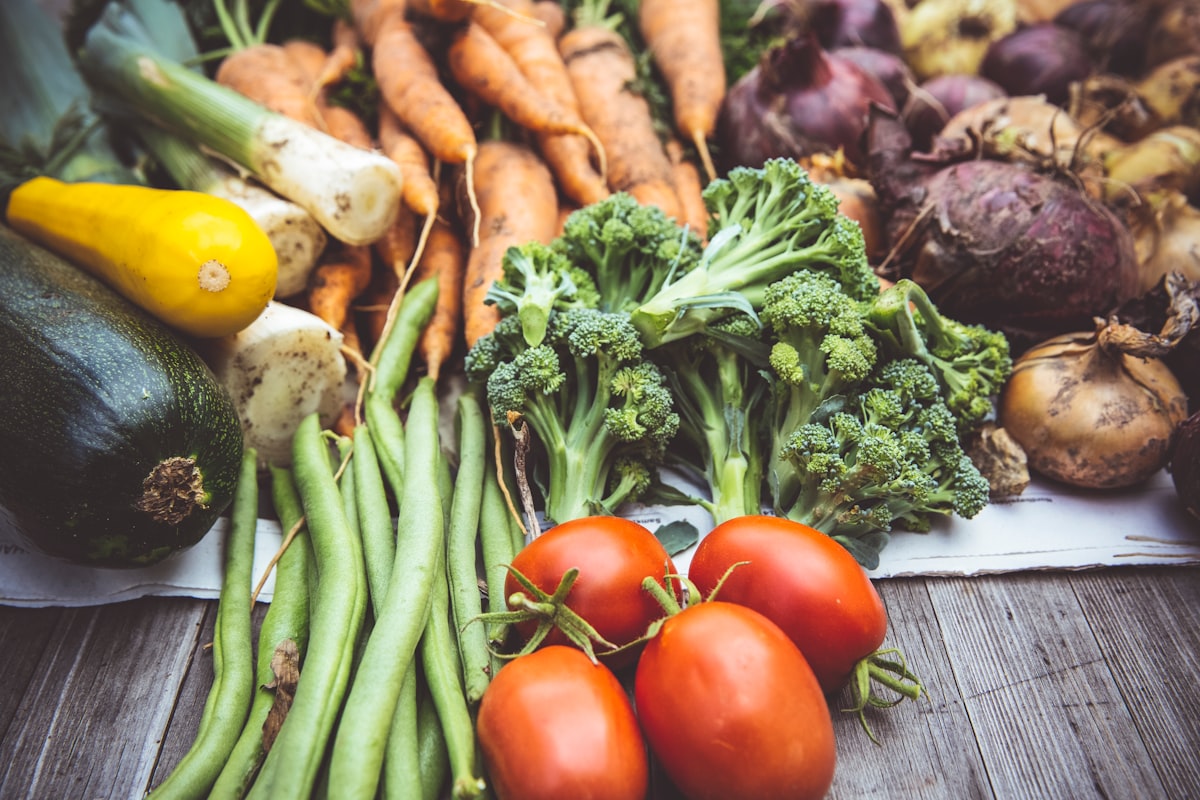
The Glycemic Index Explained
The Glycemic Index (GI) measures how quickly carbohydrate-containing foods raise blood glucose levels. Low GI foods are digested more slowly, providing sustained energy and helping maintain stable blood sugar throughout the day.
Low GI (55 or less)
Legumes, whole grains, non-starchy vegetables, and most fruits provide steady glucose elevation.
Medium GI (56-69)
White rice, honey, and some whole wheat products cause moderate glucose responses.
High GI (70 or more)
Refined grains, sugary drinks, and processed foods cause rapid blood glucose spikes.
Low Glycemic Index Food Examples
Explore common carbohydrate-containing foods that support stable blood sugar levels through their lower glycemic impact.

Legumes & Beans
Lentils, chickpeas, and beans contain fiber and protein, making them excellent low GI carbohydrate sources that promote satiety and stable glucose levels.
GI: 20-35
Whole Grains
Oats, barley, and brown rice retain their bran and germ, providing fiber and minerals while maintaining lower glycemic responses compared to refined alternatives.
GI: 40-68

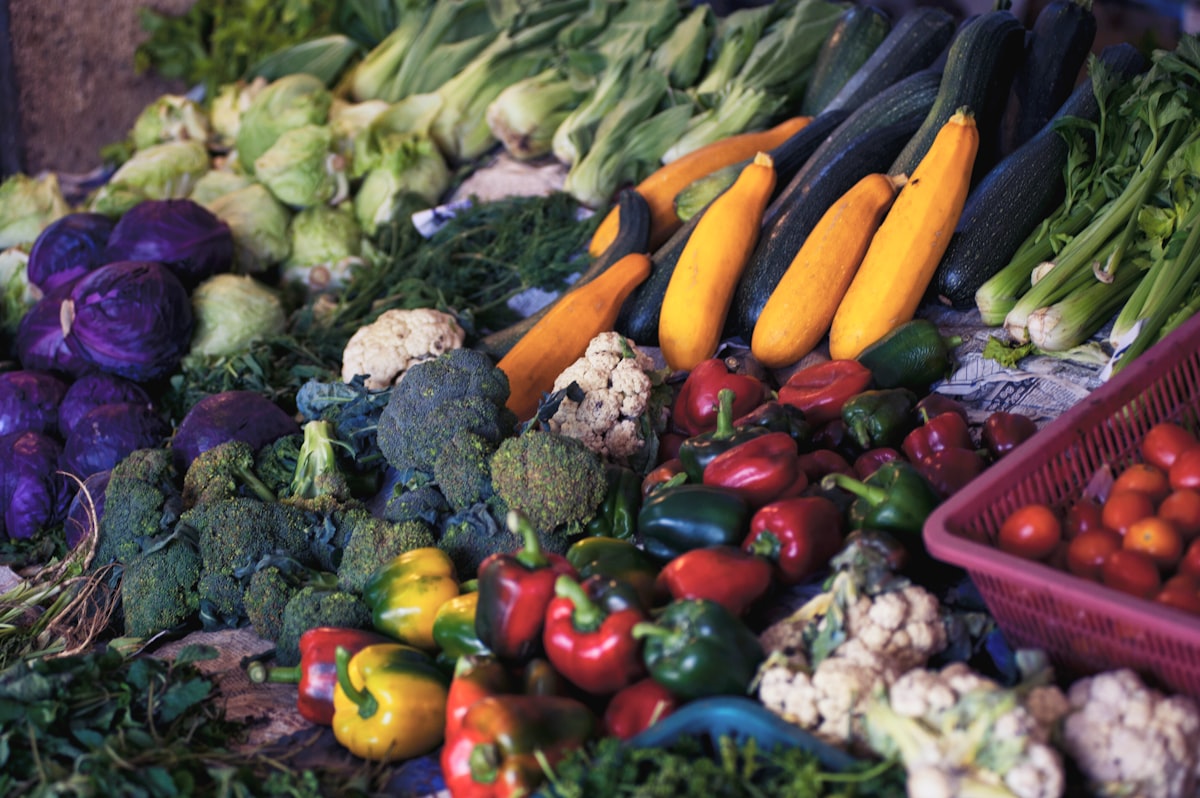
Non-Starchy Vegetables
Leafy greens, broccoli, peppers, and asparagus contain minimal carbohydrates and maximum nutrients, making them ideal choices for blood sugar management.
GI: 15-25

Low GI Fruits
Apples, berries, and oranges provide natural sugars alongside fiber, slowing absorption and preventing rapid blood glucose elevation when consumed in appropriate portions.
GI: 25-55

Nuts & Seeds
Almonds, walnuts, and pumpkin seeds combine minimal carbohydrates with healthy fats and protein, creating meals that support stable glucose and sustained energy.
GI: 15-30

Low-Fat Dairy
Yogurt and milk contain lactose alongside protein and calcium, with moderate glycemic impact. Choose unsweetened varieties for optimal blood sugar control.
GI: 20-46
5-Step Guide to Balanced Blood Sugar Management
A structured approach to understanding and managing your carbohydrate intake for sustained energy and stable glucose levels.
Learn Carbohydrate Types
Understand the differences between simple and complex carbohydrates. Simple carbs (sugars) digest quickly, while complex carbs (starches, fiber) provide sustained energy. Reading food labels and recognizing carb sources is your first step toward informed choices.
Master Portion Control
Even low GI foods affect glucose when consumed in large quantities. Learn standard portion sizes (one serving typically contains 15 grams of carbohydrates) and use them consistently. This helps predict your body's glucose response and maintain energy stability throughout the day.
Pair Carbs with Protein & Fat
Combining carbohydrates with protein and healthy fats slows digestion and glucose absorption. A meal with chicken, brown rice, and olive oil produces a gentler blood sugar response than rice alone. This strategy reduces energy crashes and supports sustained satiety.
Monitor Your Response
Individual responses to carbohydrates vary based on genetics, activity level, and metabolism. Pay attention to how different foods affect your energy, hunger, and mood. Keep notes about meals that provide consistent energy versus those causing crashes or cravings.
Build Sustainable Habits
Blood sugar management is a long-term practice, not a temporary diet. Gradually incorporate low GI choices into your regular meals, experiment with cooking methods that reduce carb impact, and find sustainable patterns that support your lifestyle and health goals.
Common Questions About Carbs and Glucose Levels
Find answers to frequently asked questions about carbohydrate management and blood sugar control.
Glycemic Index (GI) measures how quickly a food raises blood glucose relative to pure glucose. Glycemic Load (GL) combines GI with portion size, providing a more complete picture. A food might have a high GI but low GL if portions are typically small. For example, watermelon has a high GI but moderate GL due to water content. GL is often more practical for real-world meal planning.
Carbohydrate requirements vary based on activity level, age, metabolism, and health goals. General recommendations suggest 45-65% of total daily calories from carbohydrates. For an average 2000-calorie diet, this equals 225-325 grams daily. Active individuals may need more; those prioritizing specific health approaches may adjust differently. The best approach is finding a balance that provides sustained energy without energy crashes.
No—carbohydrates themselves aren't inherently bad for blood sugar. The type, portion, and preparation method matter significantly. Whole grain carbohydrates rich in fiber, legumes with protein content, and fiber-rich vegetables have minimal blood sugar impact. Refined carbohydrates with added sugars cause rapid glucose elevation. The key is choosing carbohydrate sources that provide nutrition while supporting stable glucose levels.
Yes, significantly. Dietary fiber slows carbohydrate digestion and glucose absorption, resulting in gentler blood sugar responses. Soluble fiber (found in oats, beans, apples) is particularly effective. Eating foods with adequate fiber content, drinking water, and consuming carbohydrates alongside protein and fat all work together to moderate glucose impact. Most nutrition guidelines recommend 25-30 grams of daily fiber for optimal health.
Physical activity increases glucose utilization by muscles, improving insulin sensitivity and blood sugar control. Regular exercise can reduce carbohydrate spikes even after high-carb meals. Conversely, active individuals may require more total carbohydrates to fuel workouts and support recovery. A short walk after meals can improve glucose response. The relationship between activity and carbohydrate metabolism is highly individual and worth exploring through consistent monitoring.
Ideal snacks combine low GI carbohydrates with protein and healthy fats. Examples include apple slices with almond butter, Greek yogurt with berries, cheese with whole grain crackers, or hummus with vegetable sticks. These combinations slow carbohydrate digestion, prevent blood sugar crashes, and maintain steady energy between meals. Avoid snacks with refined sugars and minimal protein, which cause rapid glucose spikes followed by energy crashes.
Real Stories from Our Readers
Discover how people have applied evidence-based carbohydrate management principles to support their health and energy levels.
I struggled with afternoon energy crashes that made my workday nearly impossible. After learning about glycemic index and restructuring my carbohydrate choices, I now maintain consistent energy from breakfast through dinner. The information here helped me understand why certain meals made me tired, and swapping white rice for brown rice and adding protein to snacks completely transformed my productivity.
Jana Svobodová
Prague
As someone managing pre-existing glucose sensitivities, finding reliable information about carbohydrate choices was critical. This platform explained glycemic load in ways I could actually apply to my daily meals. I've learned to pair carbohydrates with protein and healthy fats, and my energy stability has improved dramatically. The FAQ section answered questions I had about portion sizes and snack timing.
Petr Novotný
Brno
I was overwhelmed by conflicting nutrition advice until I found this editorial platform. The evidence-based approach to carbohydrate management helped me understand the actual science rather than just following fads. Learning about low glycemic index foods and how portion sizes matter has given me confidence in my eating choices. My athletic performance improved once I optimized my carbohydrate intake based on activity level.
Markéta Dvořáková
Olomouc
The comprehensive food examples and step-by-step guidance made it easy to implement carbohydrate management principles. I particularly appreciated learning that healthy carbohydrates aren't eliminated but rather chosen strategically. Swapping refined grains for whole grains and understanding fiber content has completely changed my approach to eating. My glucose stability has improved noticeably within weeks.
David Kučera
Olomouc
Start Your Blood Sugar Optimization Journey
Explore our comprehensive guides, food examples, and evidence-based strategies to master carbohydrate management and maintain stable blood glucose levels for sustained energy and improved health outcomes.